New Concrete Driveways and Patios in West Leechburg, PA
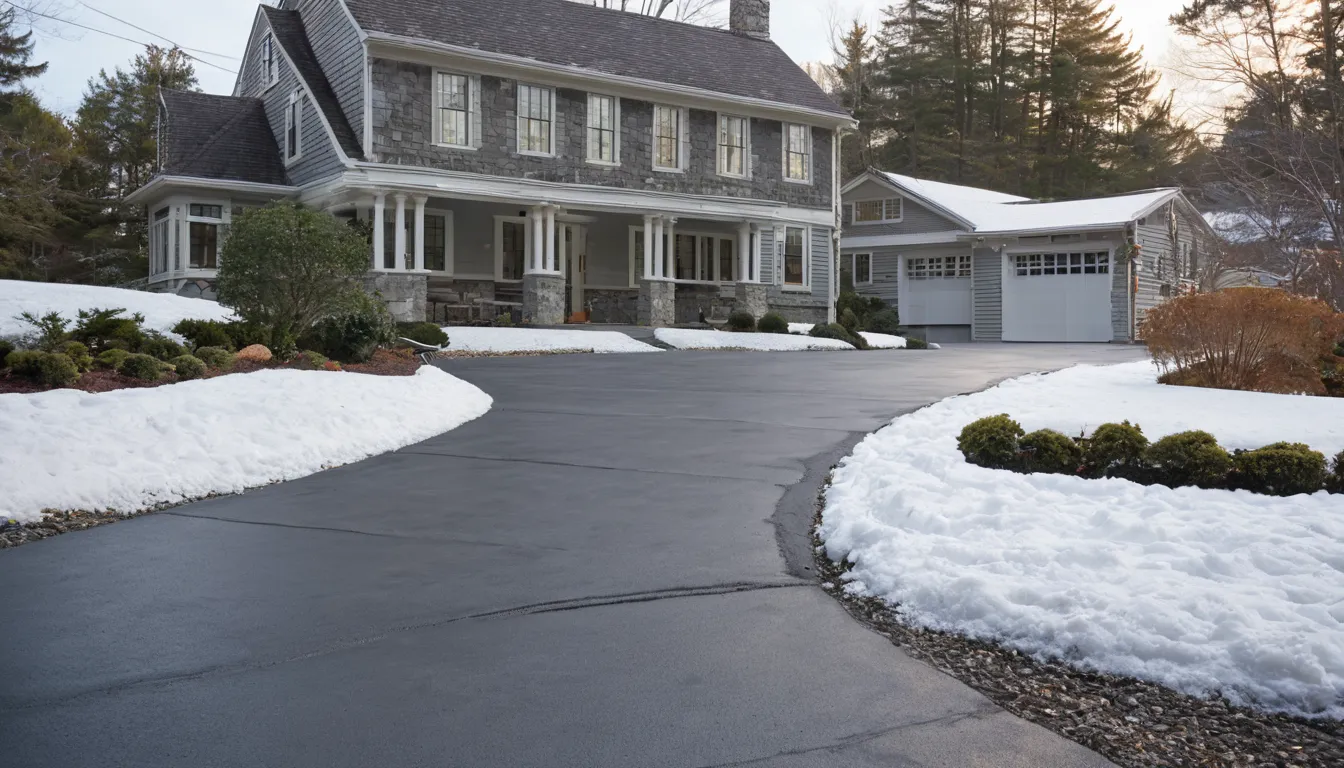
Planning new concrete at an older house? Follow our short checklist, then request an estimate. Sickwoman Concrete connects you with independent local providers who can inspect the site and quote the job.
- Check the old slab and base first
- Match the finish to your home
- Get the quote in writing
- Request an estimate online
Sickwoman Concrete Is Proud To Serve the West Leechburg area
Why Choose Sickwoman Concrete?
- Made for Older Homes
Aging slabs, old patches and stone or block foundations need extra checking. Our guidance helps you ask the right questions before any concrete is poured. - Clear Steps
Numbered checklists show what to do first, next and last. You always know where you are in the process and what to ask. - Local Providers
Independent providers in our network know freeze-thaw cycles, snowmelt and coastal storms. They can inspect your site and give you a written quote with no obligation. - Simple Process
Fill in the request form, share a few details and wait for a provider to follow up. You decide whether to move ahead.
How It Works
- Walk the Driveway Note cracks, low spots, patches and water pooling. Take photos to share.
- Send an Estimate Request Share your address, drive size and what you noticed. It carries no obligation.
- Meet a Local Provider The provider visits, checks the old slab and base, and explains the options.
- Compare Written Quotes Line up scope, thickness, finish and schedule, then choose the provider that fits.
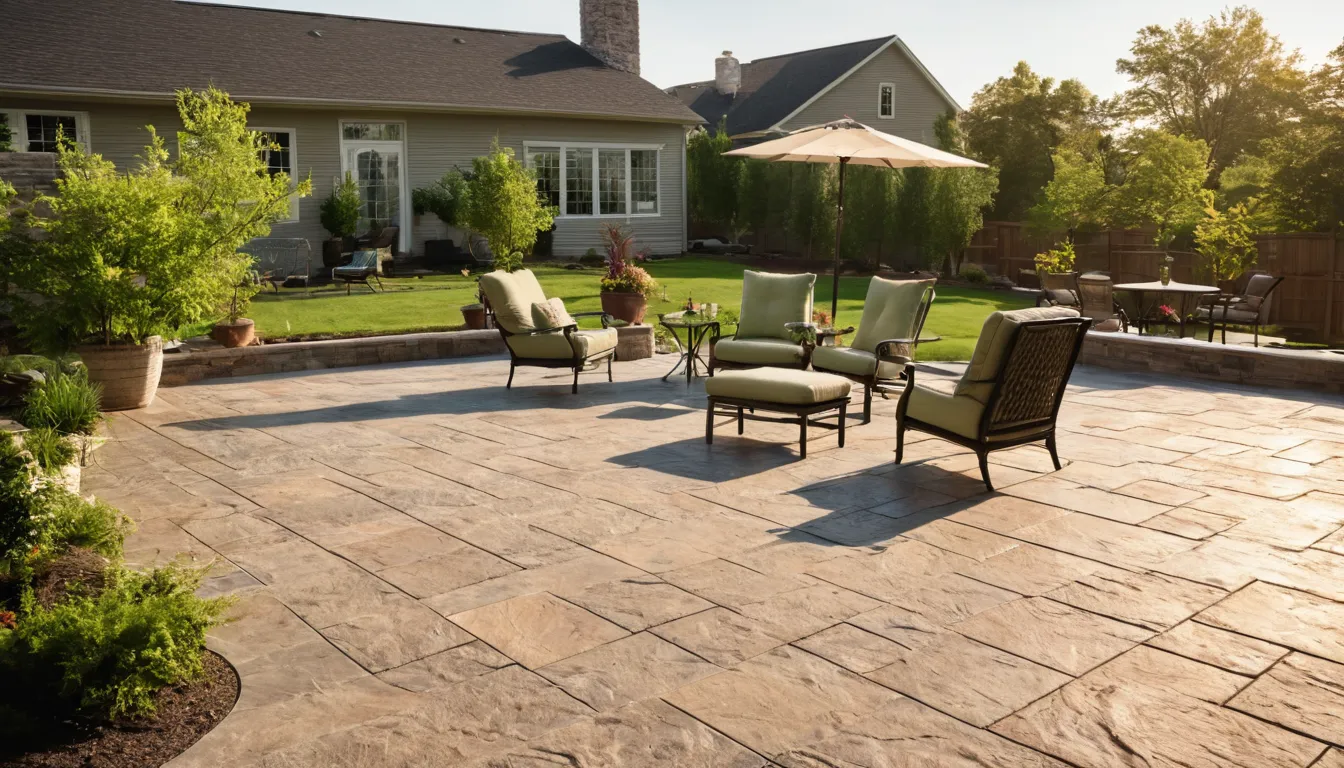
Need help in West Leechburg?
Planning new concrete? Send the details through the request form and a local provider from our network can follow up with next steps.
No obligationCommon Questions About New Concrete
- How much does a new concrete driveway cost?
- Typical U.S. prices vary widely by size, thickness, finish, access and the condition of the old surface. Tear-out and base work add to the total. Ask a provider for a written quote that lists everything.
- Can I put a new concrete patio next to an old stone or block foundation?
- Often yes, but drainage matters. A provider should check the slope so water runs away from the wall. Ask how they will handle the joint between the new slab and the house.
- What are early warning signs that my driveway needs replacing?
- Look for widening cracks, flaking surface, sunken or raised slabs and pooling water. One hairline crack may be minor. Many signs together can mean the base has failed. A provider can inspect and advise on next steps.
- Is stamped concrete a good choice for cold, snowy climates?
- It can work well when the base is prepared properly and the surface is sealed. Ask the provider about air-entrained concrete, sealer type and how often resealing is needed after salt and freeze-thaw seasons.
- Does Sickwoman Concrete pour the concrete?
- No. Sickwoman Concrete is a referral service. We connect homeowners with independent local providers in our network. The provider you choose sets the price, schedule and method, and you decide whether to hire them.
Our Services
Three types of new concrete work are covered here. Each card below explains the steps, the checks for older homes and the questions to ask a provider before you commit.
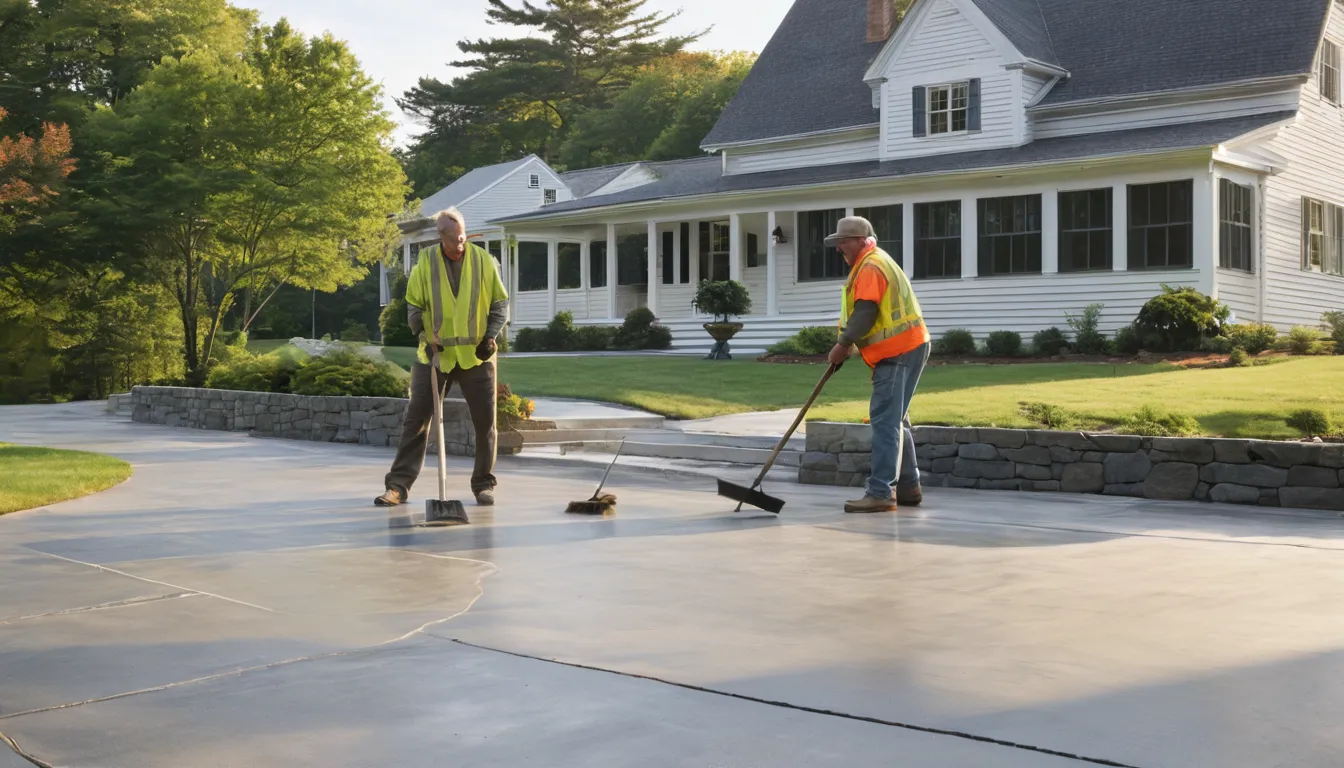
Concrete Driveways
Old slabs hide surprises, so a good new driveway starts with a careful look and a written quote.
Details about Concrete Driveways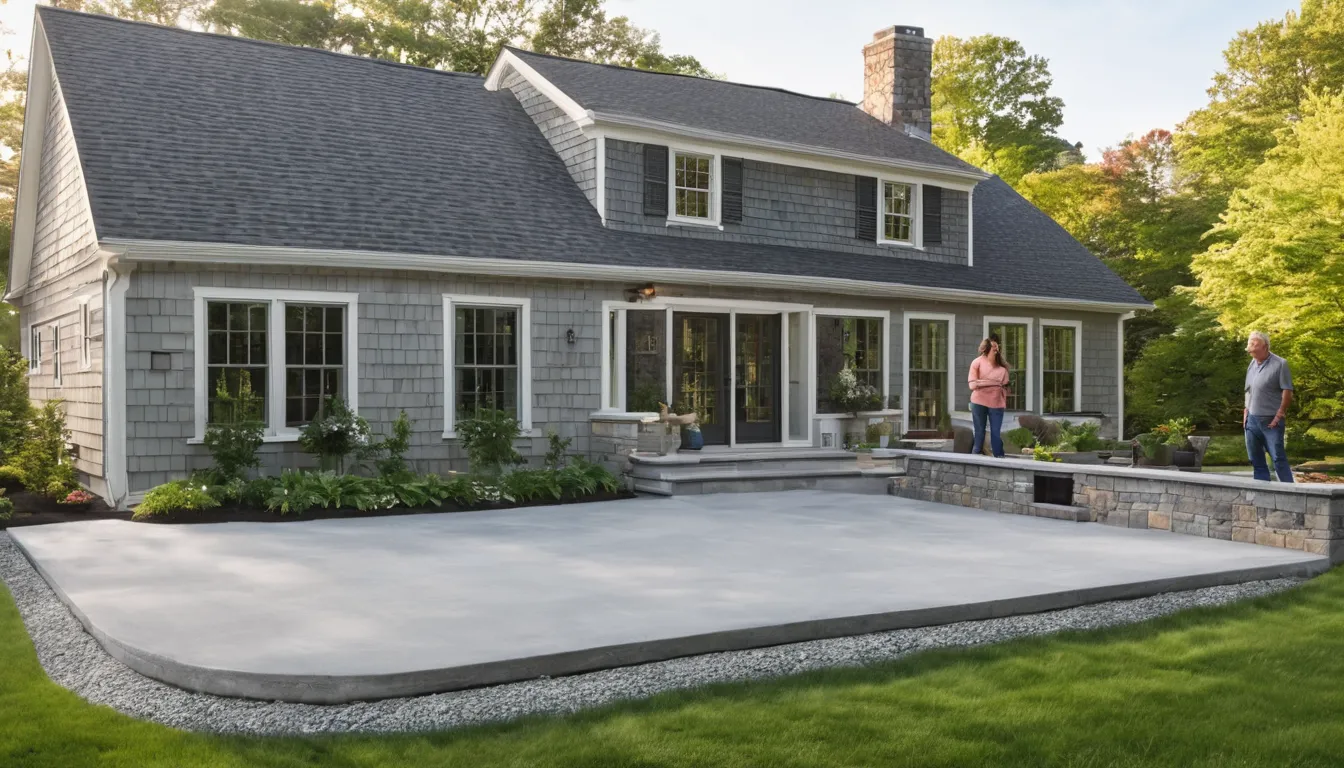
Concrete Patios
Plan a new concrete patio the organized way, with checklists made for older houses and uneven yards.
Details about Concrete Patios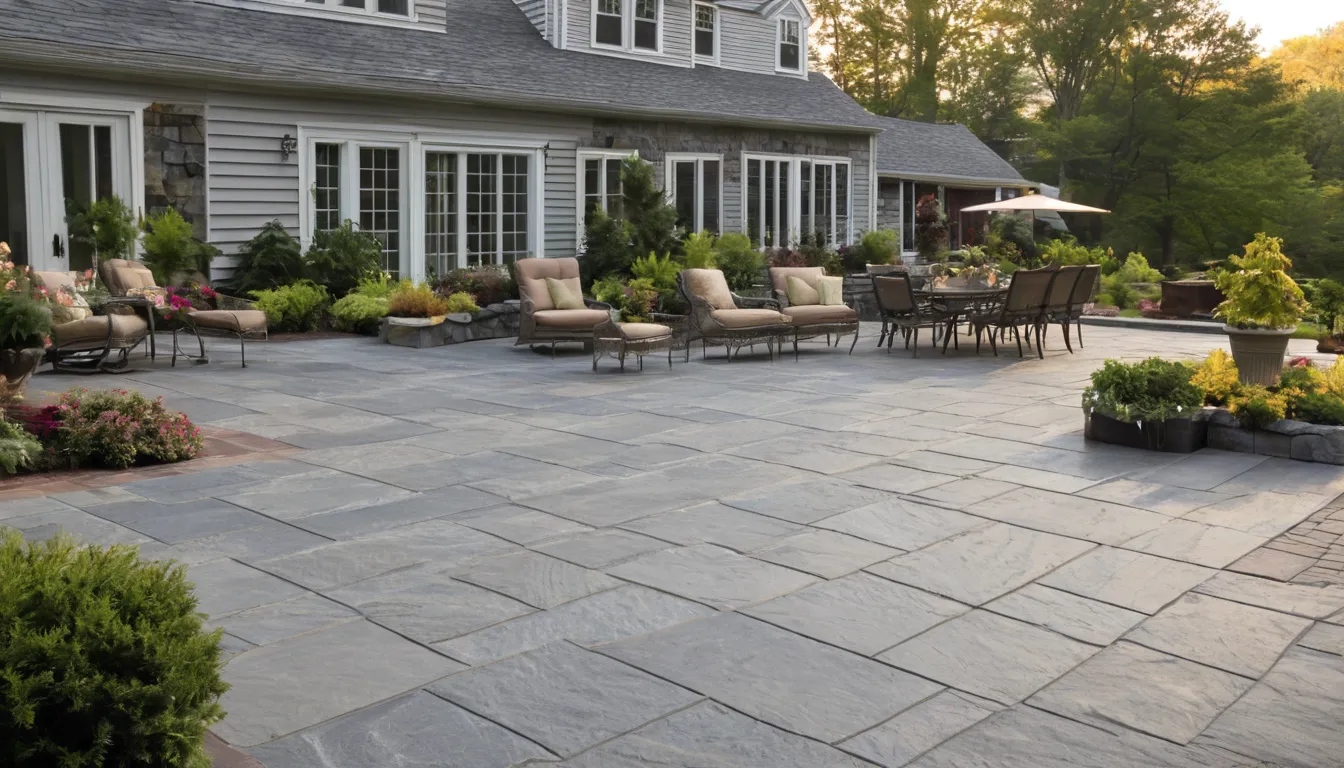
Stamped Concrete
Plan stamped concrete step by step, starting with the old surface, then match with independent local providers.
Details about Stamped ConcreteStart With a Checklist Before You Pour
New concrete at an older house is not the same as a pour at a new build. A short checklist keeps the job on track.
First, look at what is already there. Note cracks, sunken spots, old patches and any place where water collects.
Next, think about the ground. Cold winters, freeze-thaw cycles and spring snowmelt push on every slab in the West Leechburg area. Many older homes sit on stone or block foundations, with soil that has settled for decades.
Then, pick a goal. Do you want a full concrete driveway, a patio for the back yard, or a stamped finish with pattern and color?
Last, talk to a local provider. A good one inspects the site and gives you a written quote.
Sickwoman Concrete is a referral service. We do not pour concrete. We connect homeowners in West Leechburg, PA with independent providers in our network. Share the details of your job, and a local provider can follow up.
Would you rather talk first? Request a callback to check provider availability.
How It Works
What Sickwoman Concrete Does
Sickwoman Concrete is a referral service. We do not mix, pour or finish concrete. Independent providers in our network do that work. Our part is matching your request with local providers who handle new driveways, patios and stamped concrete.
The Steps
1. Send your request. Describe the project, the age of the house and any problem spots you have noticed. 2. Get matched. A provider in our network reviews the details. 3. Plan the visit. The provider looks at the site, the old slab and the drainage. 4. Compare the quote. Ask for scope, thickness, base prep and finish in writing. 5. Decide. There is no obligation to hire anyone.
Why Older Homes Get Extra Care
Houses with aging materials hide surprises. Past repairs can sit under a new pour. Thin old slabs may crack under a heavier load. Stone and block foundations need good drainage nearby so water does not collect against them.
Our pages focus on what to check before the work starts, so that you can ask better questions and compare quotes with confidence.
What We Do Not Do
This site is for new concrete projects. Providers set their own prices, schedules and methods. Costs vary by job, so get a written quote before you agree to anything.
Serving Homeowners Across the West Leechburg area
Concrete work in West Leechburg and across the West Leechburg area has to handle hard winters. Water gets into small gaps, freezes, expands and pushes the slab apart. Snowmelt in spring adds more water. Coastal storms can bring heavy rain and wind-driven moisture.
The housing here adds its own checklist. Older homes, Cape Cod style houses and multi-family buildings often have narrow driveways, tight side yards and full basements close to the slab. Stone and block foundations need water directed away, not toward them.
That is why local matters. A provider who works in this climate knows:
- How deep the base should be
- Where control joints belong
- Why proper slope and sealing matter
- How access affects a pour
Sickwoman Concrete connects homeowners in West Leechburg, PA with independent providers who work in these conditions. Providers set their own service areas, so availability can differ by town.
Not sure which service fits your yard? Describe it in the request form and a provider can suggest a path.
A Practical Guide for Older-Home Owners
Step 1: Walk the Property
Grab a notepad and your phone. Walk the driveway, the patio area and the line along the foundation. Write down anything odd. Take dated photos. They help a provider understand the job before the visit.
Step 2: Spot the Early Warning Signs
Small signs come first. Watch for these:
- Hairline cracks that grow wider each spring
- Flaking or scaled surface after winter salt
- One slab edge sitting higher than its neighbor
- Water that pools instead of draining
- A gap between the slab and the house
Acting early often keeps a small problem from becoming a full tear-out.
Step 3: Expect Older-Home Surprises
Older houses hide things. Past patches, buried drain lines, thin slabs and crumbling edges can show up once work begins. A provider who checks first can plan around them and explain extra steps in the quote.
Step 4: Know When Patching Is Not Enough
Sometimes concrete driveway repair only buys time. If a slab is heaving, sinking or breaking up across a wide area, a provider may suggest replacement. Cracks near the house wall are a separate issue. Foundation repair experts handle structure, so ask the provider to flag it rather than pour over it.
Step 5: Choose the Finish
A broom finish is simple and gives good grip. Stamped concrete patios add pattern and color that mimic stone or brick. Both need solid base prep and proper sealing in a cold climate.
Step 6: Ask These Questions
- Will the old slab be removed and the base checked?
- How will water drain away from the house?
- What joints and reinforcement are planned?
- Is the quote in writing, with the scope listed?
Step 7: Plan Around the Seasons
Pours depend on weather, and many providers book up in warm months. Ask early. Typical U.S. costs for concrete flatwork vary by size, thickness, finish and access, so always get a written quote.
Request Your Estimate
Ready for the next step? Send your project details through the request form. Include the age of the house, the size of the area and any trouble spots. A local provider can follow up.
If you prefer to talk, request a callback to check provider availability. Hours vary by provider.
Reach a local provider
Planning new concrete? Send the details through the request form and a local provider from our network can follow up with next steps.
No obligation