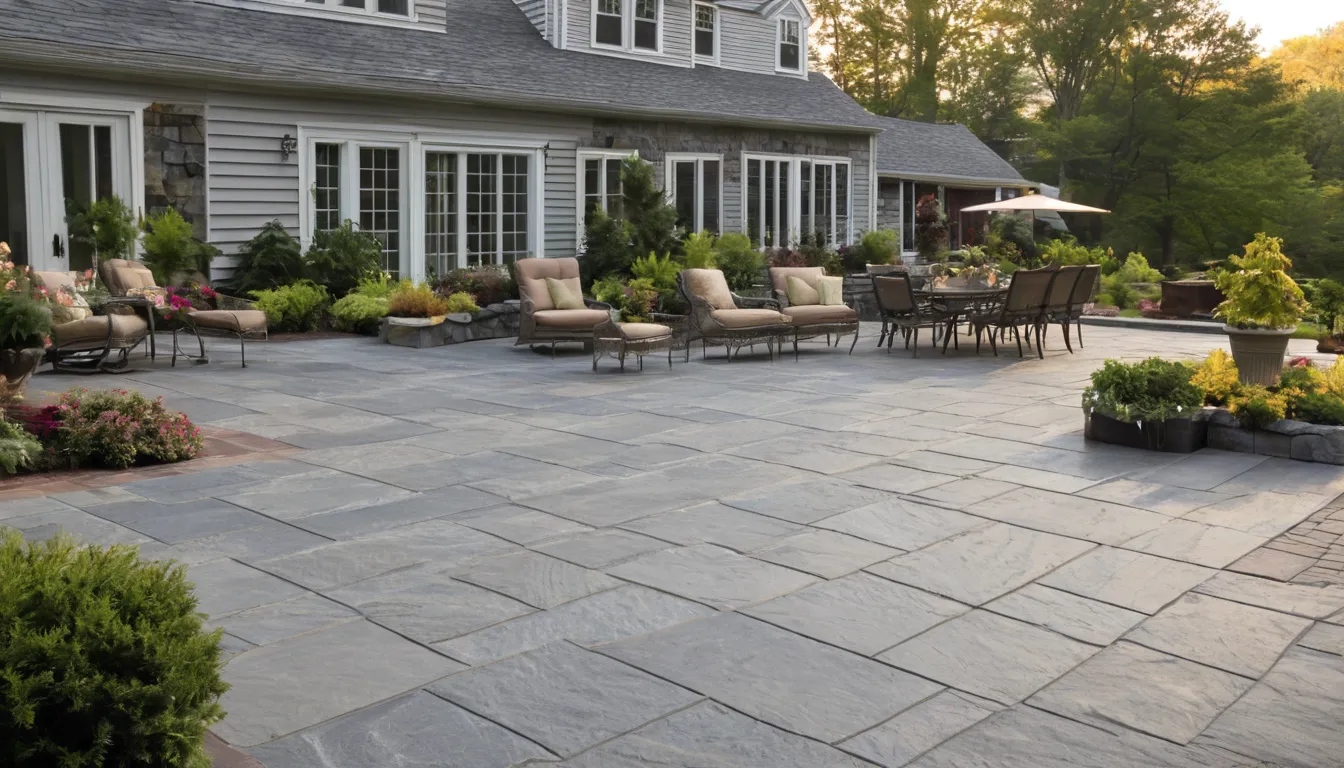
Stamped Concrete for Older Homes
Request a stamped concrete estimate
Stamped concrete is poured concrete pressed with patterns so it looks like brick, slate or stone. On an older house, it can match the character of the home without the upkeep of loose pieces. It only works when the ground and base are sound.
Sickwoman Concrete is a referral service. We do not pour or stamp anything. We connect homeowners in West Leechburg and the West Leechburg area with independent local providers who inspect the site first. Then they quote the work in writing. This page gives you a short checklist to follow before you decide, so nothing surprises you later.
Thinking About Stamped Concrete?
Stamped concrete is a poured slab with a pattern pressed into the surface. It can look like stone, brick or wood planks. On an older home, it can tie a patio or walkway to the style of the house. It still needs a solid base. This page gives you a short checklist. A local provider in our network then inspects the site and quotes the work in writing.
First, Look Closely at the Ground
Before you choose a pattern, check what is there now. Older yards hide things.
- Cracks or sunken spots in the current slab
- Old patches that have lifted or changed color
- Soil that stays wet near the foundation
- Buried pipes, old footings or large tree roots
Each item can change the base work and the price.
Check the Old Slab
Some old slabs can be removed. Others can stay. A provider can judge this by looking at thickness, cracks and what lies underneath. Stamping over a failing slab usually fails too. If the slab needs concrete driveway repair or patching first, ask for that as its own line in the quote.
Watch the Foundation Edge
Many older homes sit on stone or block foundations. If you see gaps, leaning or damp walls near the planned spot, have foundation repair experts look first. New concrete should slope away from the house. It should never cover up a problem.
How Stamped Concrete Is Made
Providers vary, but the order is usually the same.
1. Remove old material and dig out the area. 2. Spread and compact a gravel base. 3. Set forms and add steel or mesh. 4. Pour, level and color the concrete. 5. Press the pattern mats while the surface is workable. 6. Cut control joints, let it cure, then seal.
Two Ways to Add Color
Color can be mixed into the concrete. It can also be dusted on the surface as a hardener. Many providers use both. Ask which method your quote includes.
Popular Patterns and Colors
Patterns That Suit Older Homes
Running-bond brick, ashlar slate and cobblestone echo the materials found on many older houses. Wood plank patterns suit porches and garden paths. Pick one pattern for the whole area. Too many mixes look busy.
Colors to Compare
Warm gray, tan and charcoal are common. Look at a sample outdoors in daylight. Darker shades can show dust and wear. Lighter shades can show stains.
Where Stamped Concrete Works Well
Patios and Walkways
Stamped concrete patios are the most common use. Walkways, steps and entry landings also work well. These areas get steady foot traffic and can hold a pattern for years.
Spots to Think Twice About
Steep slopes, shady damp corners and areas with heavy roots need extra planning. Ask the provider how they handle drainage and soil movement there.
Stamped Concrete vs. Pavers
Both can look great. They behave differently.
- Stamped concrete: one solid surface, fewer weeds, but cracks can show if the base moves.
- Pavers: individual pieces that can be lifted and reset, but they can shift and need joint sand.
In areas with freeze-thaw cycles, ask each provider how their base handles frost. This matters more than the surface choice.
Planning for Cold Winters
Snowmelt and repeated freezing stress any concrete flatwork. Good drainage, proper joints and a quality sealer help. Ask the provider whether the mix is made for freezing weather. Coastal storms add more moisture, so ask about sealing too.
How Long the Job Takes
The work often takes several days, plus cure time. Foot traffic is usually fine after a few days. Furniture and heavier items wait longer. Full strength takes about a month. Provider schedules vary, and cold weather can shorten the season, so plan early.
Caring for Stamped Concrete
- Sweep and rinse the surface often.
- Reseal every few years, or as the provider advises.
- Avoid harsh de-icing salts.
- Use plastic shovels on snow.
- Watch for new cracks and ask a provider to check them early.
Small cracks seen early are easier to deal with than wide ones.
Choosing a Stamped Concrete Provider
Use this checklist with each provider.
1. Ask to see past stamped work in person. 2. Ask how they test the old base and soil. 3. Ask about drainage, joints and sealer. 4. Check that the quote lists every step. 5. Confirm that permits and license rules are handled as required locally.
Quote in writing, then compare line by line.
Request a callback to check provider availability for your project.
What's Included
Site Check
A provider inspects the old slab, soil, slope and drainage before suggesting any pattern.
Base Preparation Work
Excavation, compacted gravel and reinforcement are listed so the surface has solid support underneath.
Pattern and Color
Choose stone, brick or plank looks, then match color samples to your home outdoors.
Joints and Sealing
Control joints, curing and a protective sealer help the surface handle weather and wear.
Typical Stamped Concrete Costs
Prices vary by region, size, pattern and the shape of the old surface. These are typical U.S. ranges only. Ask each provider for a written quote that lists every line.
| Item | Typical range | Notes |
|---|---|---|
| Stamped concrete, installed | $12 – $25 per sq ft | Pattern and color choices change the total |
| Old slab removal and haul-away | $2 – $6 per sq ft | Thicker or reinforced slabs cost more |
| Gravel base and grading | $1 – $4 per sq ft | Poor soil or slopes add work |
| Color hardener or added color | $1 – $3 per sq ft | Deeper shades often cost more |
| Sealer, first coat | $1 – $3 per sq ft | Resealing is needed every few years |
| Small patio, total project | $3,000 – $9,000 | Size, access and repairs affect the final price |
How It Works
Check the Site
Walk the area and note cracks, damp spots, old patches and where water runs after rain.
Request an Estimate
Send your project details through the form, and we pass them to local providers.
Compare Written Quotes
Review base work, pattern, color, sealing and cleanup line by line before choosing.
Schedule and Prepare
Agree on a start date, clear the area and keep traffic off during curing.
Why Call Sickwoman Concrete
Built for Older Homes
The checklist focuses on aging slabs, past patches and surprises common around older houses.
Local Providers
You are matched with independent providers who know regional weather and soil.
Clear Steps
Short lists show what to check first, next and then, before work begins.
No Obligation
Request an estimate and compare written quotes with no pressure to move forward.
Other Services
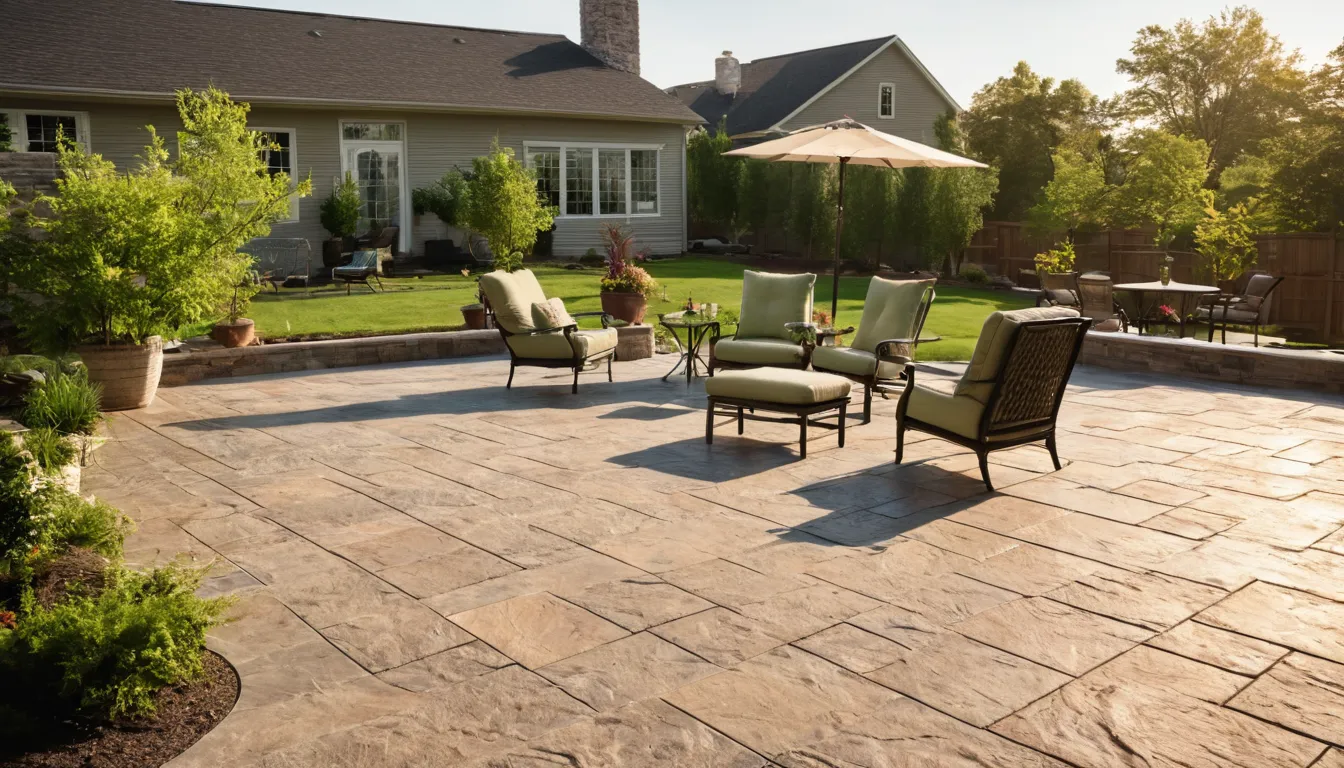
Need stamped concrete in West Leechburg?
Planning new concrete? Send the details through the request form and a local provider from our network can follow up with next steps.
No obligationStamped Concrete FAQ
- Can stamped concrete go over my existing patio?
- Sometimes, but only if the old slab is sound, level and well drained. Many providers use a thin overlay for light wear. Cracked or sunken slabs usually need to be removed first.
- How long does stamped concrete last in cold, snowy climates?
- With a sound base, proper joints and regular resealing, stamped concrete can last many years even through freeze-thaw cycles. Results vary by soil, drainage and care. Ask each provider how they prepare the base for frost and which sealer they use.
- Is stamped concrete slippery when wet?
- It can be, especially with a glossy sealer. Many providers add a slip-resistant additive for patios, steps and pool areas. Ask about it when you request your written quote.
Reach a local provider
Planning new concrete? Send the details through the request form and a local provider from our network can follow up with next steps.
No obligation