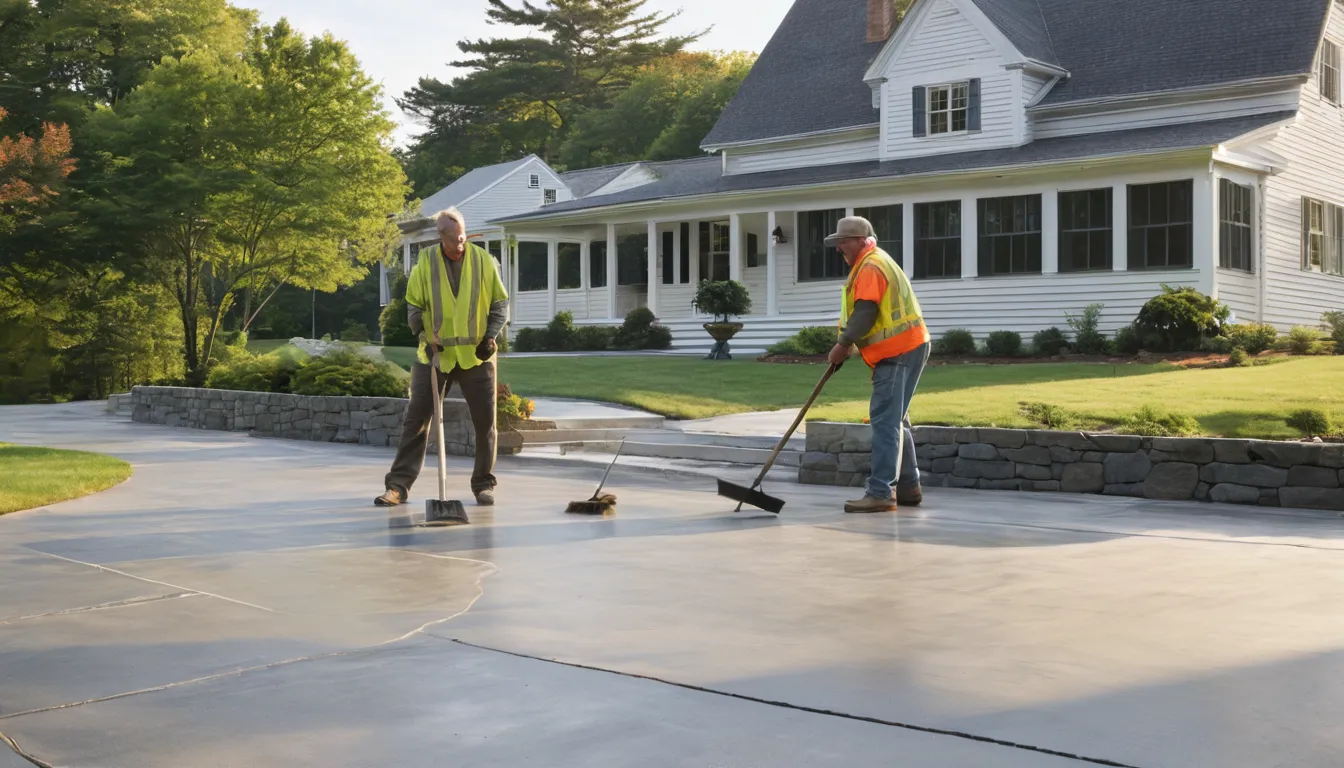
An older house often has an older driveway. It may have thin concrete, years of patches, and a base that settled long ago. Winter makes it worse. Water gets in, freezes, and pushes the slab apart.
Sickwoman Concrete is a referral service. We do not pour concrete. We connect homeowners in West Leechburg, PA and the West Leechburg area with independent local providers who handle concrete driveways. A provider checks the site, explains what they find, and gives you a quote in writing. This page walks you through the signs, the steps and the questions to ask before you hire.
First, Look Closely
Before you call anyone, walk the driveway. Bring a notepad. Note every crack, low spot and patch. Take photos in daylight. This record helps each provider quote the same job.
Signs the Slab Is Done
Check for these early warnings:
- Cracks wider than a pencil line
- Sections that sit higher or lower than their neighbors
- Flaking or peeling surface after winter
- Water that pools instead of running off
- Patches that keep failing
One sign may be small. Three or more usually mean the base has failed.
Repair or Replace?
Concrete driveway repair works for a few hairline cracks or one small chip. It does not fix a slab that has sunk or heaved. If patches cover a large share of the surface, replacement is often the sounder choice. A provider can tell you which fits your drive.
Check the Old Slab for Surprises
Older homes hold hidden problems. Under the old drive you may find thin concrete, no gravel base, buried roots or an old oil tank line. Ask each provider how they handle surprises. A good quote explains what happens if the crew finds something unexpected.
Water and Your Foundation
Many older houses have stone or block foundations and full basements. A driveway that slopes toward the house sends water to the wall. Tell providers if your basement gets damp. If you see wall cracks or leaning, talk to foundation repair experts as well. A new slab should slope away from the house.
What a New Driveway Includes
First, the old slab is broken out and hauled away. Next, the ground is graded and a stone base is packed down. Then forms are set, steel or mesh is placed, and the concrete is poured and finished. Last, joints are cut so the slab can crack in straight lines.
Size, Thickness and Finish
Measure your width first. One car needs about 10 feet. Two cars need about 20. Most home drives use 4 inches of concrete. Heavy trucks may call for 5 or 6. A broom finish gives grip on icy mornings. Smooth finishes get slick.
Built for Freeze and Thaw
Cold winters and spring snowmelt test every slab. Ask about air-entrained concrete, which resists freeze-thaw damage. Ask about drainage and a well-packed base. Coastal storms add salt and moisture, so a sealer can help protect the surface.
Permits and the Street Apron
The apron is the part where your drive meets the street. Many towns control it. You may need a permit, and the town may set the thickness and slope. A provider familiar with local rules can tell you what applies. Ask who pulls the permit.
How to Compare Providers
Use this short list:
1. Ask for a visit to the site, not just a phone price. 2. Get a quote in writing. 3. Compare the same thickness, base depth and finish. 4. Ask about insurance and how long the work will take. 5. Ask for the payment schedule.
Do not choose on price alone.
Questions About Cost
Prices swing with size, access and what lies under the old slab. Tear-out, drainage fixes and extra depth all add to the total. Request a callback to check provider availability, then compare written quotes line by line.
Planning Around Your Calendar
Concrete needs mild weather to cure well. Many providers book up in warm months. If you plan to pour in late spring or early fall, start asking early. Plan where cars will park during the work.
After the Pour
Keep cars and feet off the slab until the provider says it is ready. Keep pets off too. Wait before using deicing salt through the first winter. Seal the surface when the provider advises. Shovel with a plastic blade.
Keep an Eye on the New Slab
Hairline cracks at the cut joints are normal. Watch for new low spots or water that pools. Small issues are easier to fix early. Keep your paperwork and photos in one folder.
Next Step
Write down what you saw on your walk. Then send an estimate request. Sickwoman Concrete will connect you with independent local providers who inspect the site and quote in writing.
What's Included
Old Slab Tear-Out
The worn concrete is broken up and hauled away so the new drive starts clean.
Base and Grading
Crushed stone is packed level, with a slope that sends water away from the house.
Forms and Reinforcement
Forms set the shape, while steel or mesh adds strength against cracking.
Pour, Finish and Joints
Concrete is placed, finished for grip, and cut with joints to control cracks.
Typical Concrete Driveway Cost Ranges
These are typical U.S. ranges. Your job may land higher or lower depending on size, access, drainage and what lies under the old slab. Get a written quote.
| Item | Typical range | Notes |
|---|---|---|
| New plain concrete driveway | $6 – $12 per sq ft | Basic 4-inch broom finish |
| Old slab tear-out and haul-away | $1 – $3 per sq ft | Thicker or patched slabs cost more |
| Base preparation and grading | $1 – $3 per sq ft | Poor soil or tree roots add work |
| Extra thickness or reinforcement | $1 – $3 per sq ft | Helps with heavy vehicles |
| Drainage or slope corrections | $500 – $3,000 | Depends on how far water must be moved |
| Permit and street apron work | $100 – $1,500 | Rules vary by town |
How It Works
Walk the Driveway
Note cracks, low spots, patches and water pooling. Take photos to share.
Send an Estimate Request
Share your address, drive size and what you noticed. It carries no obligation.
Meet a Local Provider
The provider visits, checks the old slab and base, and explains the options.
Compare Written Quotes
Line up scope, thickness, finish and schedule, then choose the provider that fits.
Why Call Sickwoman Concrete
Built for Older Homes
The site focuses on aging slabs, past patches and hidden surprises that older houses tend to hide.
Clear Checklists
Short steps help you spot problems, compare quotes and know what to ask each provider.
Local Providers
You are connected with independent concrete providers who know local weather, soil and town rules.
Quotes in Writing
Providers inspect the site first, then put scope and price on paper for you.
Other Services
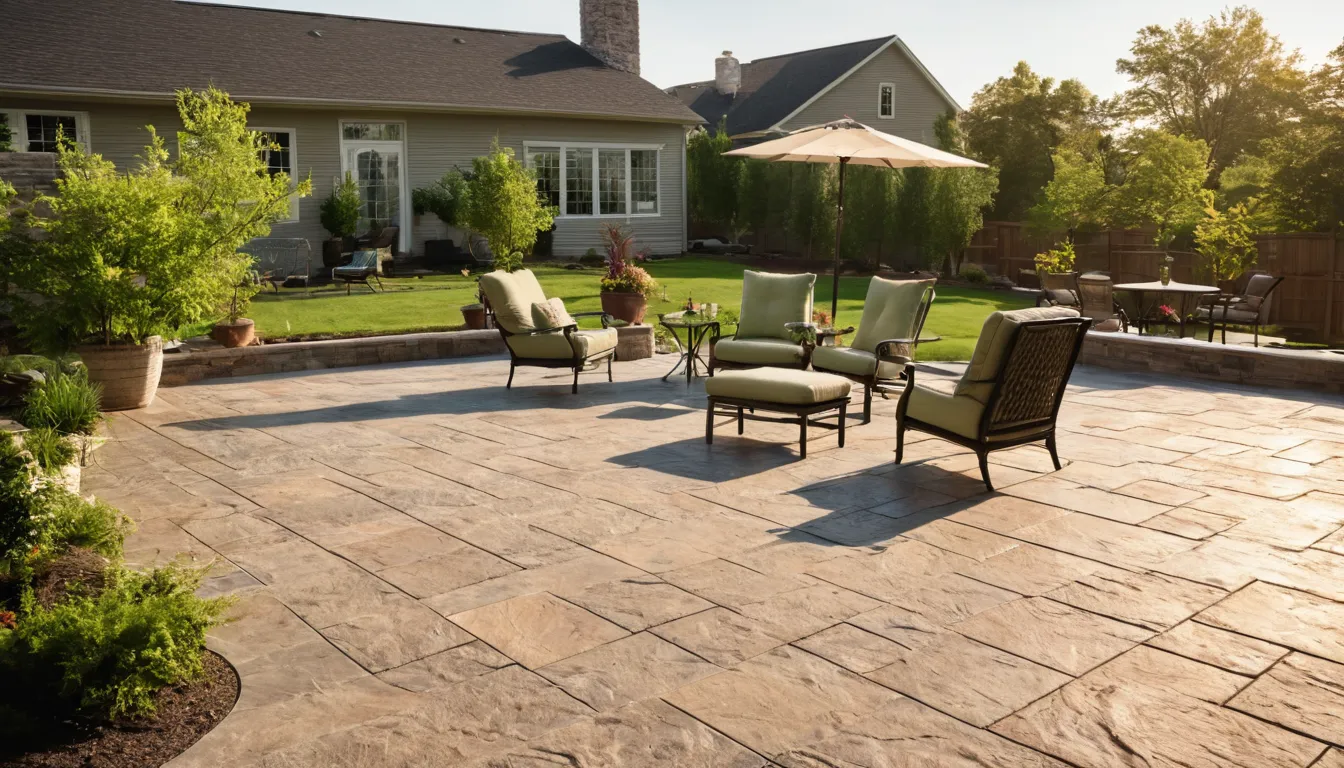
Need concrete driveways in West Leechburg?
Planning new concrete? Send the details through the request form and a local provider from our network can follow up with next steps.
No obligationConcrete Driveways FAQ
- How do I know if I need a new concrete driveway?
- Look for wide cracks, sunken or raised sections, flaking, and water that pools. If patches keep failing or cover much of the surface, replacement is usually more practical than more concrete driveway repair.
- How thick should a concrete driveway be?
- Most home driveways use about 4 inches of concrete over a packed stone base. Heavy trucks or poor soil may call for 5 or 6 inches. A local provider can recommend thickness after seeing your site.
- When is the right time to pour a driveway in a cold climate?
- Mild weather is ideal because concrete cures better. Many people aim for late spring through early fall. Providers book up in those months, so request an estimate early and ask about scheduling.
Reach a local provider
Planning new concrete? Send the details through the request form and a local provider from our network can follow up with next steps.
No obligation